Pouring Before the Recipe: How America's Colonial Tavern Keepers Stumbled Into the Art of the Cocktail
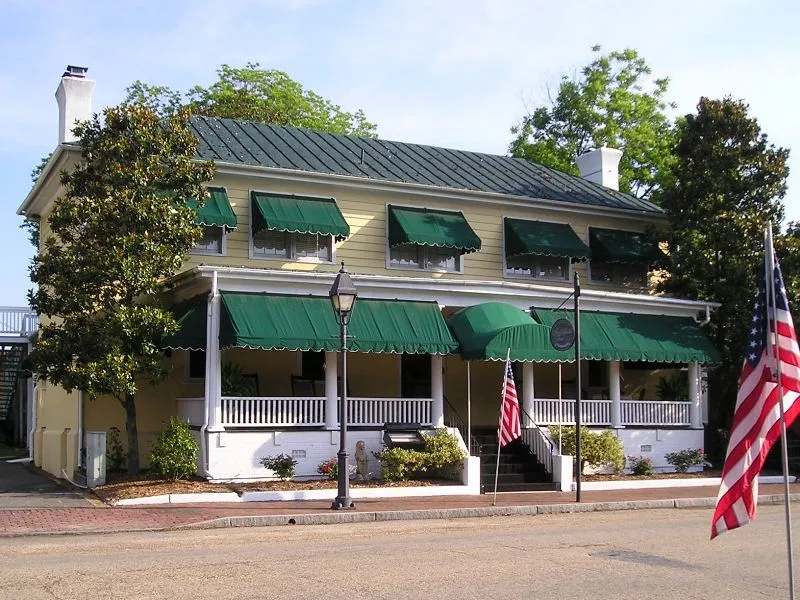
Photo: Greg Vassilakos, Public domain, via Wikimedia Commons
There is a particular kind of genius that operates entirely without self-awareness. It does not announce itself. It leaves no manifesto, files no patent, and rarely receives credit in any ledger that history bothers to preserve. The tavern keepers of colonial America possessed precisely this kind of genius, and the drinks they poured—improvised, practical, and often brilliant—form the deep substrate upon which everything we now call American mixology rests.
We tend to locate the birth of the cocktail somewhere around the early nineteenth century, when the term itself first entered the written record. The May 13, 1806 issue of The Balance and Columbian Repository offered its famous definition—a stimulating liquor composed of spirits, sugar, water, and bitters—and generations of historians have treated that moment as a kind of origin point. But origins, as any serious student of drinking culture knows, are almost never where we first find them. They are older, messier, and considerably more interesting.
The Ordinary as Laboratory
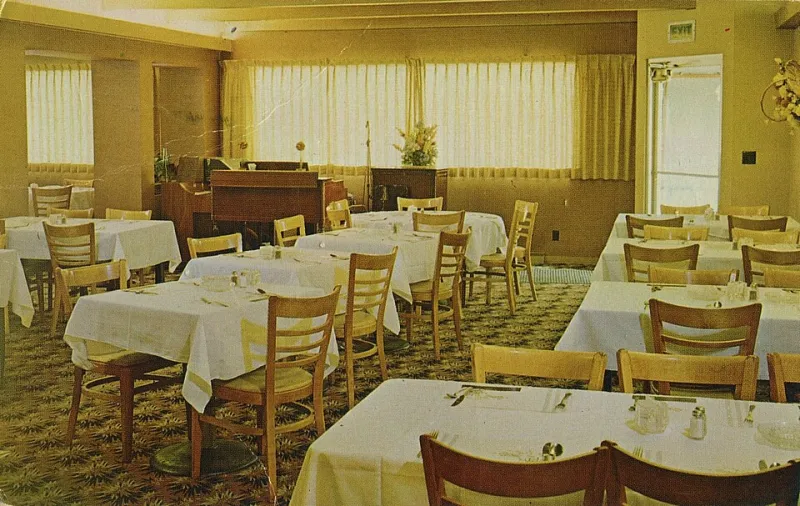
The colonial tavern—called an ordinary in much of early New England and the mid-Atlantic—was not merely a place to drink. It was a civic institution, a courthouse annex, a postal depot, and a commercial exchange. More relevant to our purposes, it was also an improvisation laboratory operating under conditions of genuine scarcity.
The keeper of a mid-eighteenth-century ordinary in Philadelphia or Charleston or Boston worked with what the trade routes provided, which was never quite enough and rarely consistent. Rum arrived from the Caribbean in quantities that fluctuated with weather, war, and the politics of molasses taxation. Brandy from France appeared and vanished with the diplomatic seasons. Domestic whiskey, distilled from whatever grain was locally surplus—rye in the mid-Atlantic, corn further south, barley in pockets of New England—varied wildly in quality and proof from one distiller to the next.
Faced with this instability, the tavern keeper did what any skilled practitioner does under constraint: he adapted. When a barrel of rum arrived harsh and raw from a hasty distillation, it needed amelioration. Water helped. So did sugar, which was itself an imported luxury used with careful economy. Spices—nutmeg especially, but also ginger, allspice, and the dried peels of citrus fruits that arrived as incidental cargo—could mask the rougher edges of a spirit not yet ready for the glass.
This is, in its essential mechanics, the logic of the cocktail. Mix, balance, transform.
What Grew Nearby
Perhaps the most consequential resource available to the colonial tavern keeper was one that cost him nothing: the botanical landscape of the American continent. The hedgerows, kitchen gardens, and forest edges surrounding any colonial settlement were rich with material that found its way, experimentally and persistently, into the drinking cup.
Gentian root, which would later become the defining bittering agent of the commercial bitters trade, grew wild across much of the eastern seaboard. Sassafras, prized both medicinally and for flavor, was among the earliest American exports to Europe and remained a common flavoring in domestic drinks. Spruce tips yielded their resinous character to beer and spirits alike. Wild cherry bark, wormwood, and various mints contributed to a vernacular pharmacopoeia that tavern keepers drew upon with the same pragmatic confidence that a modern bartender reaches for a bottle of Angostura.
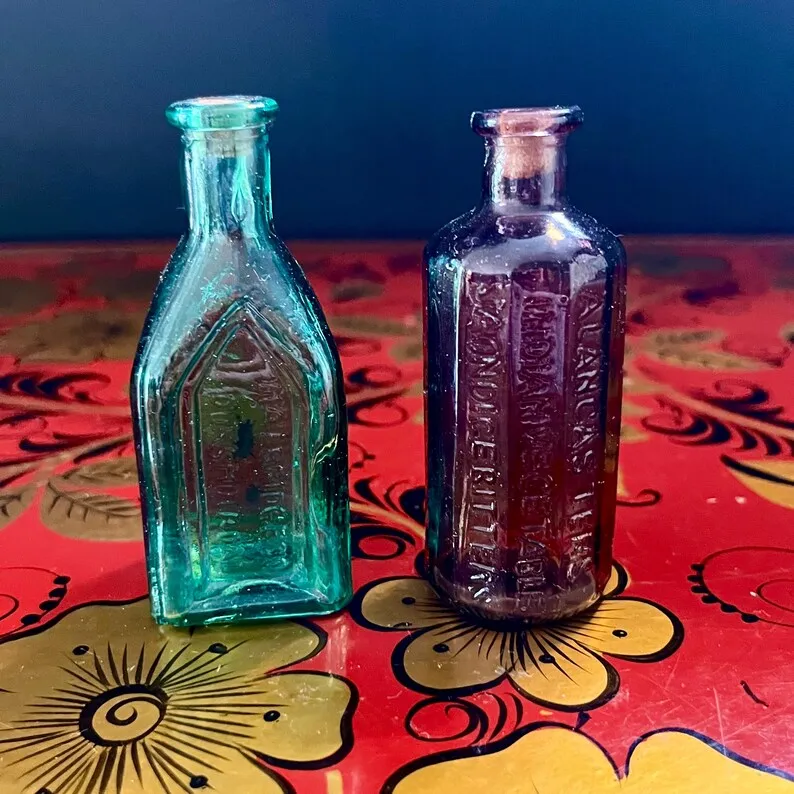
The line between medicine and drink in the eighteenth century was genuinely porous. Bitters were sold by apothecaries as digestive tonics and adopted by tavern keepers as flavor agents. Shrubs—acidulated drinking vinegars made from fruit, sugar, and vinegar—served both as preservation technique and as a means of adding brightness to flat or tired spirits. These were not cocktail recipes in any formal sense. They were solutions to problems, arrived at through trial and accumulated experience.
The Customer as Constraint
It would be a mistake to romanticize the colonial drinking public as a sophisticated audience awaiting enlightenment. They were not. What they wanted, with considerable consistency, was warmth, refreshment, and a reliable return on their coin. The tavern keeper who failed to deliver on any of these terms did not remain a tavern keeper for long.
This commercial pressure was, paradoxically, one of the most generative forces in early American drink culture. Because the keeper could not afford to serve something unpleasant, he developed techniques for making the available spirits palatable. Because he could not afford to waste, he learned to balance and extend. Because his customers arrived in all seasons and all states of appetite, he learned to vary his preparations—a warming flip for the winter traveler, a cool shrub cup for the summer merchant, a spiced punch for the table of men concluding a business negotiation.
These variations required a working knowledge of flavor, proportion, and the behavior of alcohol under heat, dilution, and the addition of acid or sugar. None of this knowledge was written down in any systematic form. It lived in the hands and the memory of the person behind the counter, transmitted informally and refined through daily practice.
The Palimpsest Beneath the Recipe
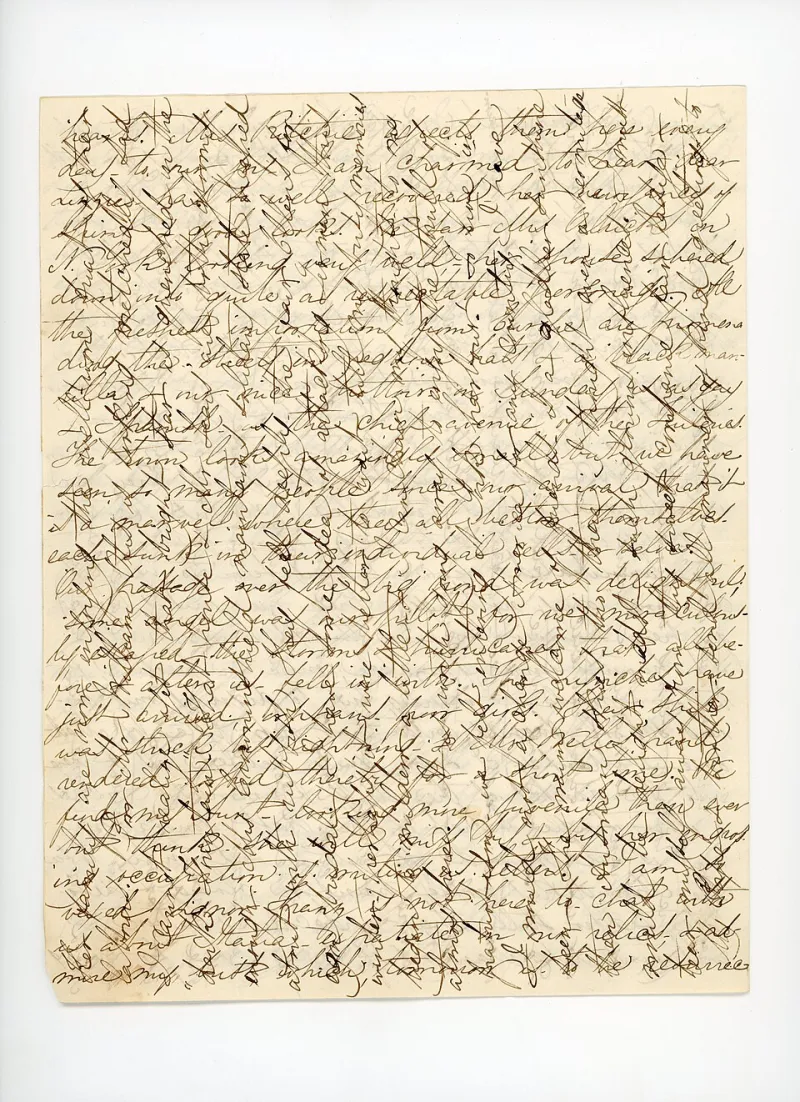
A palimpsest, in its original meaning, is a manuscript that has been scraped clean and written over—but not quite clean enough. The earlier text bleeds through, visible to anyone who knows how to look. The history of American cocktails is precisely this kind of document.
When Jerry Thomas published his Bar-Tenders Guide in 1862, he was not inventing American mixology. He was transcribing it, organizing into print a body of practice that had been accumulating for more than a century in the taverns and ordinaries of the colonial and early republic period. The Sling, the Toddy, the Flip, the Shrub—these were not new creations in 1862. They were old forms, already well understood, already embedded in the culture of American drinking.
The techniques Thomas codified—the use of bitters to unify disparate flavors, the role of citrus in balancing sweetness, the management of dilution through ice or hot water—had been worked out empirically by men and women whose names we will never recover, in establishments whose records survive only as inventory lists and licensing documents, if they survive at all.
What We Owe the Unnamed
The contemporary bartender who reaches for a muddler or considers the acid balance of a shrub is, whether he knows it or not, working within a tradition that predates the cocktail's official naming by at least a century. The colonial tavern keeper did not set out to invent anything. He set out to serve his customers and stay in business, and in the course of doing so, he assembled the essential toolkit of American mixology.
There is a lesson in this for anyone who thinks seriously about the history of drinks. Innovation rarely arrives as a declaration. More often it accumulates quietly, in the back rooms of necessity, shaped by the specific pressures of time and place and available supply. The colonial ordinary was not a glamorous setting. But it was, in the fullest sense of the word, a laboratory—and the experiments conducted there, unnamed and unrecorded, are still running in every serious bar in America today.