Rehabilitating the Neglected Bottle: A Case for Taking Vermouth Seriously Again
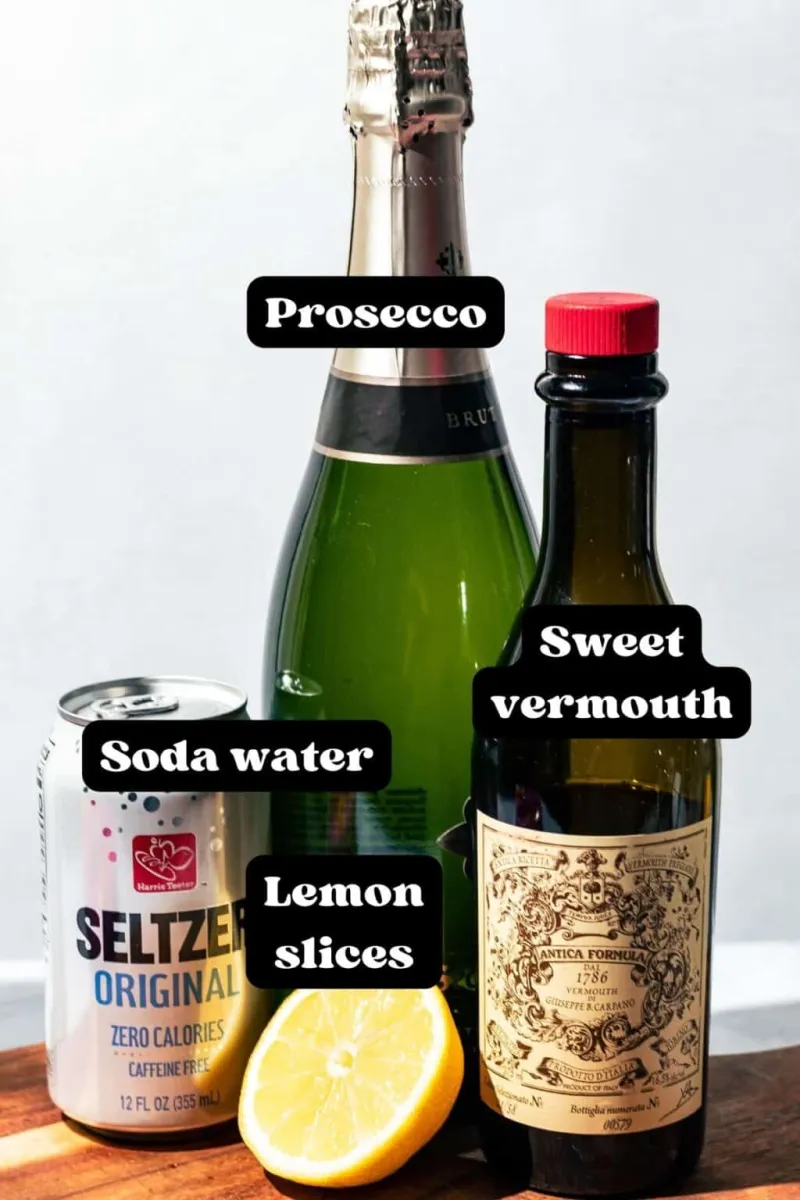
Photo: vermouth bottles artisanal bar cocktail ingredients close up, via agratefulmeal.com
Let me begin with a confession that will resonate with anyone who has spent time in American bars over the past several decades: the vermouth situation is bad. Not uniformly, not irreversibly, but persistently and consequentially bad in ways that have quietly degraded some of the most important drinks in the canon. The Martini, the Manhattan, the Negroni, the Boulevardier — every one of these cocktails depends on vermouth for its essential character, and every one of them is routinely undermined by vermouth that has been sitting open on a back bar shelf since the previous administration.
This is not a minor quibble. It is a structural problem in American drinking culture, and understanding it requires some historical perspective.
How We Got Here
Vermouth was not always an afterthought. In the late nineteenth and early twentieth centuries, it occupied a position of genuine prestige in the American bar. The dry Martini of the 1890s and early 1900s used vermouth in proportions that would horrify a contemporary bartender — equal parts, often, or close to it — because the vermouth of the period was considered a worthy co-equal to the gin. The sweet vermouth in a Manhattan was not a flavoring agent; it was a structural component.
The decline, when it came, arrived in stages. Prohibition disrupted the import trade and severed the cultural connections that had maintained quality standards. The postwar period brought a taste for drier and drier Martinis, which meant less and less vermouth, which meant less and less pressure on bars to maintain quality product. By the time the "in and out" Martini — in which vermouth is swirled in the glass and discarded before the gin is added — became a point of pride rather than an absurdity, the battle was essentially lost.
The mass-market consolidation of the vermouth industry compounded the problem. By the 1970s and 1980s, the American vermouth market was dominated by a handful of large producers making products calibrated for the broadest possible commercial appeal: inoffensive, shelf-stable (or so the marketing suggested), and cheap enough that no one felt compelled to treat them with care. The result was a category defined by mediocrity, which in turn justified the habit of treating vermouth as a condiment rather than a spirit.
What Vermouth Actually Is
Part of the problem is that most American drinkers have no clear sense of what vermouth is, as a category. It is, at its core, a fortified and aromatized wine — wine that has been strengthened with a neutral spirit and flavored with a botanical blend that typically includes wormwood (Artemisia absinthium, from which the name derives, via the German Wermut), along with any number of additional herbs, roots, barks, and citrus elements.
The two broad styles — dry (French) and sweet (Italian) — represent distinct traditions with distinct botanical profiles. French dry vermouth, associated with producers in the Chambéry region and along the Riviera, tends toward delicacy, with floral and citrus notes and a clean, almost austere finish. Italian sweet vermouth is a richer, more complex proposition: caramel, vanilla, dried fruit, and a bittersweet herbal depth that gives the Manhattan its backbone and the Negroni its ballast.
Between and beyond these poles lies a considerable range of regional styles. Spanish vermouth — the vermut that anchors the pre-lunch aperitivo culture of Barcelona and Madrid — tends toward a more oxidized, nutty character. Amber vermouth, sometimes called bianco or blanc depending on the producer's tradition, occupies a middle ground between dry and sweet that is underutilized in the American bar but enormously versatile. And then there are the historic styles — the extra-dry vermouths of Noilly Prat's original French formulation, the bitter-forward styles of certain Italian producers — that represent the category's outer edges.
The Freshness Problem
Before addressing which bottles to seek out, it is worth dwelling on the single most important practical issue in vermouth quality: freshness. Vermouth is wine-based. Once opened, it oxidizes. The rate of oxidation depends on storage conditions, but the general principle is not complicated: an open bottle of vermouth left at room temperature on a bar shelf will be noticeably degraded within a week or two, and genuinely unpleasant within a month.
The solution is equally uncomplicated: store open vermouth in the refrigerator and treat it as you would a bottle of decent white wine. This single practice, more than any other, would improve the quality of vermouth-based cocktails in American bars and homes. A fresh bottle of a modest vermouth will outperform a degraded bottle of a premium one every time.
Producers Worth Knowing
The good news is that the artisanal vermouth movement, which has been building for the better part of a decade, has produced a number of bottles genuinely worth the attention of serious drinkers.
On the domestic side, Imbue Vermouth from Oregon deserves recognition as one of the more thoughtfully constructed American vermouths — its Bittersweet expression in particular shows a real understanding of how botanical complexity should interact with a wine base. Ransom Winery, also from Oregon, produces a dry vermouth that takes the category seriously in a way that most domestic producers have not.
Among the European imports that have found reliable American distribution, Carpano Antica Formula remains the benchmark sweet vermouth against which others are measured — its vanilla-rich, slightly bitter profile is the closest thing to a universal standard in the category. For dry vermouth, Dolin de Chambéry is the reference point: lighter and more delicate than most of its competitors, and a reminder of what the category can achieve at its best.
For those willing to explore further, the Spanish vermouths — Lustau, Yzaguirre, Primitivo Quiles — offer a different aesthetic entirely, one that rewards sipping over ice with a slice of orange as much as mixing.
The Cocktail Case
The practical argument for taking vermouth seriously is simple: the classic cocktail tradition was built around it. The Martini without quality dry vermouth is not a Martini — it is cold gin in a glass, which is a fine thing but a different thing. The Manhattan without a well-chosen sweet vermouth is a bourbon drink with coloring, not the layered, architecturally coherent cocktail that its creators intended.
Reclaiming the drinks requires reclaiming the ingredient. That means buying smaller bottles and replacing them more frequently. It means refrigerating open bottles. It means spending a few dollars more for a producer who takes the botanical blend seriously. And it means, perhaps most importantly, reconsidering the proportions — moving back toward the ratios that the early Martini and Manhattan recipes specified, when vermouth was understood as a partner rather than a passenger.
The category's complexity is real, and it is recoverable. The bottles exist. The knowledge exists. What has been missing, in the American market, is the cultural permission to treat vermouth as something worth caring about. Consider this an argument for granting it.